What Is Digital Marketing? A Complete Beginner’s Guide
Nowadays, people have completely changed their products and services. Earlier, people used to search for news on newspapers, radio, and television, but since the advent of internet, people can watch it on mobiles and computers with the help of internet. Today’s people do not wait for newspapers or advertisements. If they need any information, they search on Google, scroll on social media, watch videos on YouTube, read blogs, and check daily emails. This shift has given rise to a powerful strategy known as digital marketing.
Digital marketing has become an essential part of modern business. Whether you are a student, entrepreneur, freelancer, or business owner, understanding digital marketing can open doors to new opportunities and growth. In this blog, we will explore what digital marketing is, how it works, its types, benefits, and why it matters in today’s world.
What Is Digital Marketing?

Digital marketing is the process by which people promote their products, services and brands through digital channels and digital platforms. These channels include websites, search engines, social media platforms, email, mobile apps, and other forms of digital communication.
Unlike traditional marketing, which uses offline methods such as print ads, radio, or television, digital marketing allows businesses to reach their target audience online, where people spend most of their time. It also enables businesses to track performance, measure results, and optimize campaigns in real time.
In simple terms, any marketing effort done through the internet or electronic devices is called digital marketing.
Evolution of Digital Marketing
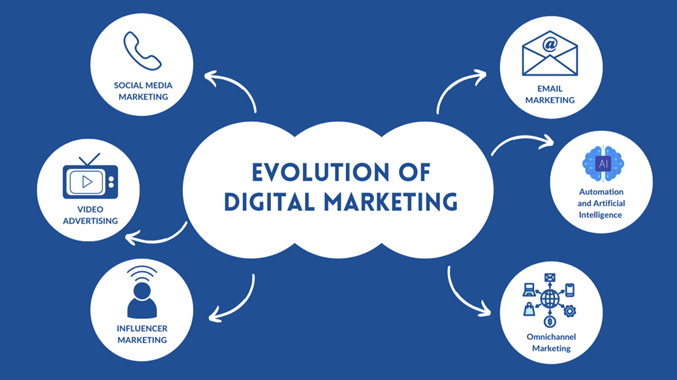
Digital marketing began in the 1990s with the introduction of the internet and email communication. This led to the creation of websites, along with search engine results on Google. Furthermore, apps like Facebook, Instagram, LinkedIn, and Twitter were created, giving people the opportunity to grow their businesses.
Today, digital marketing continues to evolve with advancements in artificial intelligence (AI), automation, voice search, data analytics, and personalized marketing. Businesses that adapt to these changes are more likely to succeed in the competitive digital marketplace.
Why Digital Marketing Is Important
Digital marketing is important because communication between businesses and products has increased so much that people handle business digitally. As will be explained later, why digital marketing is important. Here are some key reasons why it is essential:
- Global Reach
A business initiative to increase the access between a company and their current and potential customers through the use of the internet.
2. Cost-Effective
Cost effective marketing is that in which a product can be grown with less cost. As Compared to traditional advertising, digital marketing campaigns are more affordable and deliver better returns on investment (ROI).
3. Targeted Marketing
Businesses can target users based on age, location, interests, behaviour, and more.
4. Measurable Results
Tools like Google Analytics and social media insights help track performance, clicks, conversions, and engagement.
5. Customer Engagement
Digital platforms enable two-way communication, allowing brands to interact directly with customers.
Key Components of Digital Marketing
Digital marketing is a broad field that includes multiple strategies and channels. Below are the most important components:
- Search Engine Optimization (SEO)
Search engine optimization is the process of making search engine results more visible on Google and generating organic traffic to achieve higher rankings.
SEO involves:
- Keyword research
- On-page optimization (content, meta tags, URLs)
- Technical SEO (site speed, mobile friendliness)
- Off-page SEO (backlinks)
SEO is a long-term strategy that builds trust, credibility, and sustainable traffic.
2. Search Engine Marketing (SEM) / Pay-Per-Click (PPC)
Search engine marketing involves paid advertising on search engines. The most common form is Pay-Per-Click (PPC) advertising, where advertisers pay only when users click on their ads.
Examples include:
- Google Ads
- Bling Ads
PPC provides immediate results and is ideal for businesses looking for quick visibility and conversions.
3. Content Marketing
Content marketing focuses on creating valuable, relevant, and consistent content to attract and retain an audience. Instead of directly selling, it educates and builds trust.
Common content types include:
- Blog posts
- Videos
- InfographicsE-booksPodcasts
- Case studies
High-quality content improves SEO, builds brand authority, and nurtures leads.
4. Social Media Marketing (SMM)
Social media marketing uses platforms like Facebook, Instagram, Twitter (X), LinkedIn, and TikTok to promote brands and engage users.
Benefits of social media marketing:
- Brand awareness
- Customer interaction
- Lead generation
- Community building
Both organic posts and paid ads play an important role in social media strategies.
5. Email Marketing
Email marketing remains one of the most effective digital marketing strategies. It involves sending targeted emails to prospects and customers to promote products, share updates, or nurture relationships.
Email marketing is used for:
- Newsletters
- Promotional campaigns
- Customer onboarding
- Retention and loyalty programs
When personalized and well-timed, email marketing delivers high ROI.
6. Affiliate Marketing
Affiliate marketing is a performance-based strategy where businesses reward affiliates for driving traffic or sales through their referrals.
Affiliates promote products via:
- Blogs
- YouTube channels
- Social media
- Websites
7. Influencer Marketing
Influencer marketing involves collaborating with influencers who have a strong following and credibility in a specific niche.
Influencers help brands:
- Reach targeted audiences
- Build trust quickly
- Increase conversions
Micro-influencers, in particular, often provide higher engagement rates than celebrities.
8. Mobile Marketing
Mobile marketing is that which is done only through mobile like messages, social media, apps, push notifications etc.
- SMS marketing
- Mobiles apps
- Push notifications
- Mobile-friendly websites
A mobile-first approach ensures better user experience and higher engagement.
Digital Marketing vs Traditional Marketing

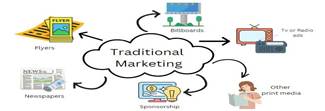
| Digital Marketing | Traditional Marketing |
| Online channels | Offline channels |
| Cost-effective | Expensive |
| Measurable results | Difficult to track |
| Global reach | Local or regional |
| Two-way communication | One-way communication |
While traditional marketing still has its place, digital marketing offers more flexibility, precision, and measurable outcomes.
Benefits of Digital Marketing
Digital marketing offers numerous advantages to businesses of all sizes:
- Global reach & visibility
- Better customer targeting
- Improved customer relationships
- Real-time performance analysis
- Scalability and flexibility
These benefits make digital marketing an essential component of modern business strategy.
Digital Marketing Strategy: Key Steps
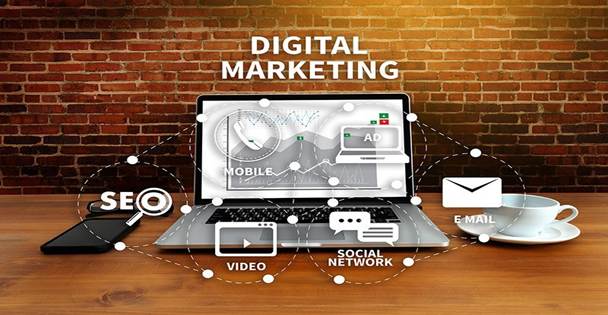
To succeed in digital marketing, businesses need a well-defined strategy:
- Set Clear Goals – Brand awareness, leads, sales, or engagement.
- Identify Target Audience – Demographics, interests, behaviour.
- Choose the Right Channels – SEO, social media, email, PPC.
- Create Quality Content – Valuable and engaging.
- Optimize and Analyse – Use data to improve performance.
Future Of Digital Marketing
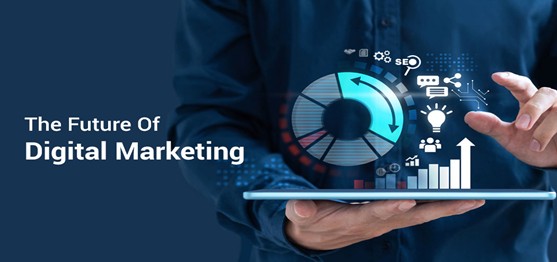
The future of digital marketing is exciting and constantly evolving. Key trends include:
- Artificial Intelligence (AI)
- Voice search optimization (VSO)
- Video and short-form content
- Personalization and data-driven marketing
- Metaverse and immersive experiences
As technology advances, digital marketing will become more interactive, personalized, and data-centric.
Conclusion
Digital marketing is no longer optional—it is a necessity for businesses aiming to grow and thrive in the digital era. By leveraging online channels such as search engines, social media, content, and email, businesses can reach the right audience at the right time with the right message.
Whether you are a student, entrepreneur, or marketing professional, understanding digital marketing opens the door to endless opportunities. As consumer behaviour continues to evolve, digital marketing will remain at the forefront of innovation, shaping the future of how brands connect with their audiences.